If you are a creator, freelancer, or solopreneur with a website, SEO is the single most valuable skill you can learn. Unlike social media, where your reach disappears the moment you stop posting, SEO content compounds over time. An article you publish today can bring you traffic for years.
This guide covers everything a beginner needs to know about SEO in 2026 — no jargon, no fluff, just practical steps you can implement this week.
What Is SEO and Why Should Creators Care?
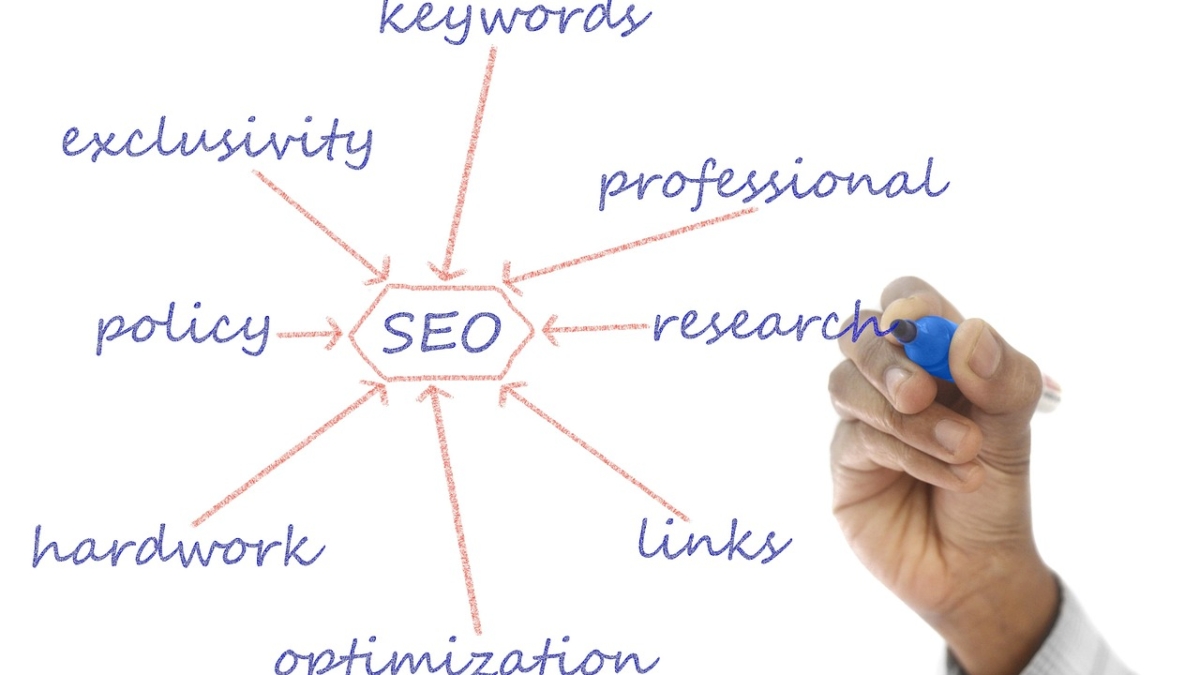
SEO stands for Search Engine Optimization. It is the practice of making your website content easy for Google to find, understand, and recommend to people searching for topics you cover. For creators, SEO matters because it delivers free, consistent, qualified traffic. A creator with 50 well-optimized articles can receive 5,000 to 50,000 visits per month — without spending a dollar on ads or posting daily on social media.
The Three Pillars of SEO
1. Keyword Research — Finding What People Search For
Keyword research is the foundation. Start with Google itself. Type your topic into the search bar and look at the autocomplete suggestions — those are real queries people make. Scroll to the bottom of the search results page and look at “Related searches.” These are gold mines for content ideas.
For more advanced research, free tools like Google Keyword Planner and Ubersuggest give you search volume estimates and competition scores. The sweet spot for new sites is keywords with 100 to 1,000 monthly searches and low competition — these are called “long-tail keywords.”
2. On-Page SEO — Optimizing Your Content
Title tag: Include your keyword near the beginning of your page title. Keep it under 60 characters. Make it compelling enough that people want to click.
Meta description: Write a 150-character summary of your page that includes your keyword and entices people to click.
Headings: Use one H1 tag (your article title) and multiple H2 and H3 tags to structure your content. Include your keyword and related terms naturally in these headings.
Content quality: Write comprehensive content that genuinely answers the searcher’s question. Google’s algorithm has become extremely good at measuring content quality. Thin, superficial articles do not rank anymore.
Internal linking: Link to other relevant pages on your own website. This helps Google understand the structure of your site and passes authority between pages. If you use WordPress, the Rank Math plugin handles most of these optimizations automatically.
3. Technical SEO — Making Your Site Crawlable
Technical SEO ensures Google can access, crawl, and index your website properly. Essential checklist: make sure your site loads in under 3 seconds, ensure your site is mobile-friendly, submit a sitemap to Google Search Console, use HTTPS, and fix any broken links or 404 errors.
Content Strategy: What to Write and How Often
Start with 5 pillar articles. These are comprehensive guides on your core topics — 1,500 to 2,500 words each, covering a broad topic thoroughly.
Then write 3-4 supporting articles for each pillar. These target specific long-tail keywords related to the pillar topic and link back to it. This creates “topic clusters” — groups of related content that signal to Google that your site is an authority on the subject.
Publishing frequency: For a new site, aim for 2-3 articles per week during the first 90 days. You can automate much of this process with AI and n8n.
How Long Does SEO Take to Work?
The honest answer is 3 to 6 months for a new website. During months 1-2, you might see very little traffic from search — that is normal. By month 3-4, your best articles will start appearing on page 2-3 of Google. By month 6, consistent publishing should have several articles on page 1.
The compound effect is what makes SEO so powerful. Each new article strengthens your entire site. A site with 50 quality articles ranks better than a site with 5, even for the same keywords.
Free SEO Tools Every Creator Should Use
Google Search Console — Shows you which keywords you rank for and alerts you to technical issues. Non-negotiable.
Google Analytics 4 — Tracks your traffic, user behavior, and conversions.
Rank Math — Free WordPress plugin. Handles on-page SEO scoring, meta tags, schema markup, and sitemap generation.
Google Keyword Planner — Basic keyword research with search volume estimates.
Ubersuggest — More detailed keyword research with competition analysis.
Common SEO Mistakes to Avoid
Ignoring search intent. If someone searches “how to create a digital product,” they want a tutorial — not a sales page.
Keyword stuffing. Repeating your keyword 50 times does not help — it hurts. Use your keyword naturally 3-5 times.
Neglecting updates. Update your top-performing articles every 6 months with fresh information.
Not building internal links. Every new article should link to 2-3 existing articles on your site.
Your SEO Action Plan for This Week
Set up Google Search Console and submit your sitemap. Install Rank Math on your WordPress site. Do keyword research and find 10 long-tail keywords. Write and publish your first pillar article. Set a publishing schedule you can maintain for 90 days.
SEO is a long game, but it is the most reliable way to build sustainable traffic for your creator business. For more strategies, browse our latest articles or check out our digital products designed for creators.